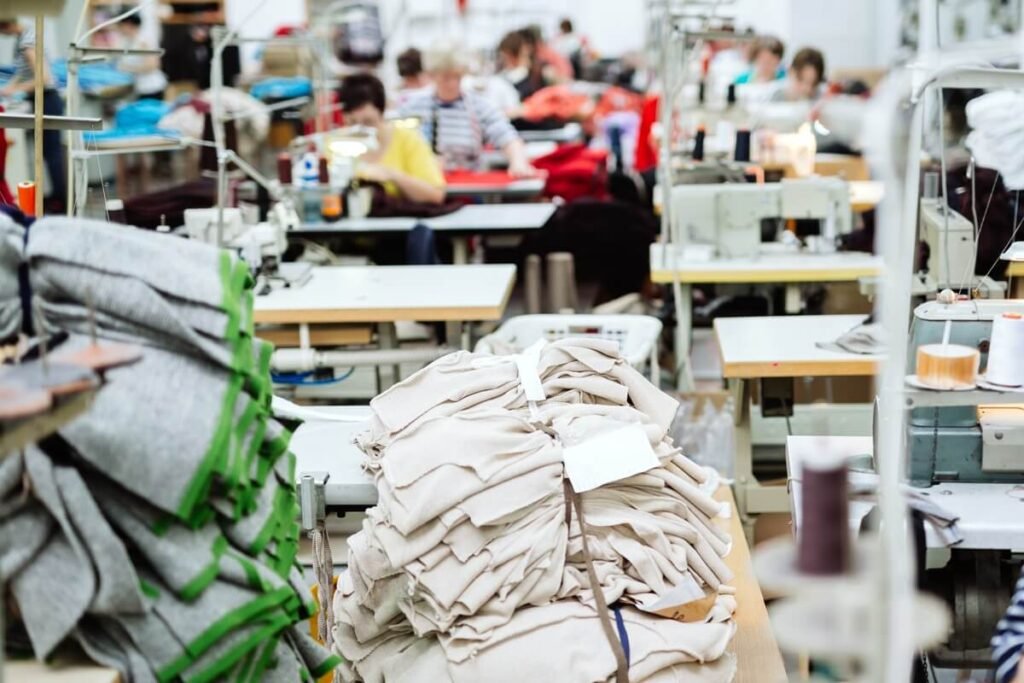
The textile industry is undergoing a green revolution, with sustainable fabrics emerging as the new norm. Brands and manufacturers are turning to organic cotton, bamboo, and recycled polyester to reduce environmental impact. These eco-friendly alternatives offer durability and comfort while decreasing carbon emissions and water usage. Some popular sustainable materials include:
Tencel (from wood pulp)
Hemp (highly renewable)
Recycled wool and PET plastics
Shifting Consumer Preferences
Today’s consumers are increasingly concerned with how and where their clothes are made. They are more inclined to support ethical brands that align with their values. Labels now feature transparency metrics such as traceability and carbon footprint. As a result, sustainability is no longer a trend—it’s an expectation.
Challenges in Implementation
Despite growing demand, widespread adoption of sustainable textiles still faces hurdles. Higher costs, supply chain limitations, and consumer education gaps hinder progress. However, innovations in fabric recycling and regenerative agriculture offer promising solutions for long-term change.
Tech-Driven Sustainability
Technology is playing a crucial role in sustainable production. Blockchain for supply chain transparency, AI for demand forecasting, and waterless dyeing technologies are shaping the next phase. Companies integrating these tools are gaining competitive advantages while reducing waste.
The Future of Green Fashion
With evolving legislation and consumer pressure, sustainability will become embedded in core business practices. Companies that adapt quickly will not only lead in profitability but also in purpose. Investing in eco-conscious R&D is key to securing a future-proof brand.
Whether you're launching a brand or scaling production, we’re here to help you make it happen.
Let us turn your ideas into high-quality, ready-to-wear reality.